JSON
JSON is explicit, strict, and widely used in APIs, exports, and app integrations.
It is verbose, but that consistency makes it easy for tools to parse and validate.
Validate, prettify, minify, and convert JSON, YAML, and TOML with clear compatibility warnings.
JSON, YAML, and TOML all store structured data, but they trade off readability, strictness, and config-friendly syntax differently. Comparing them side by side makes those differences easier to spot.
JSON is explicit, strict, and widely used in APIs, exports, and app integrations.
It is verbose, but that consistency makes it easy for tools to parse and validate.
YAML is designed to be easy to scan in longer config files.
It reads well, but indentation errors can break the structure quickly.
TOML is a simple format built for named settings and small config sections.
It stays predictable and tidy for project and tool configuration.
Answers about validation, compatible outputs, TOML limitations, and how the formatter handles pretty and minified JSON alongside YAML and TOML rendering.
Browse every dedicated tool page from the homepage hub or the centered header selector.
Images
Convert up to 10 JPEG, PNG, or WebP images into WebP with quality presets and ZIP downloads.
Images
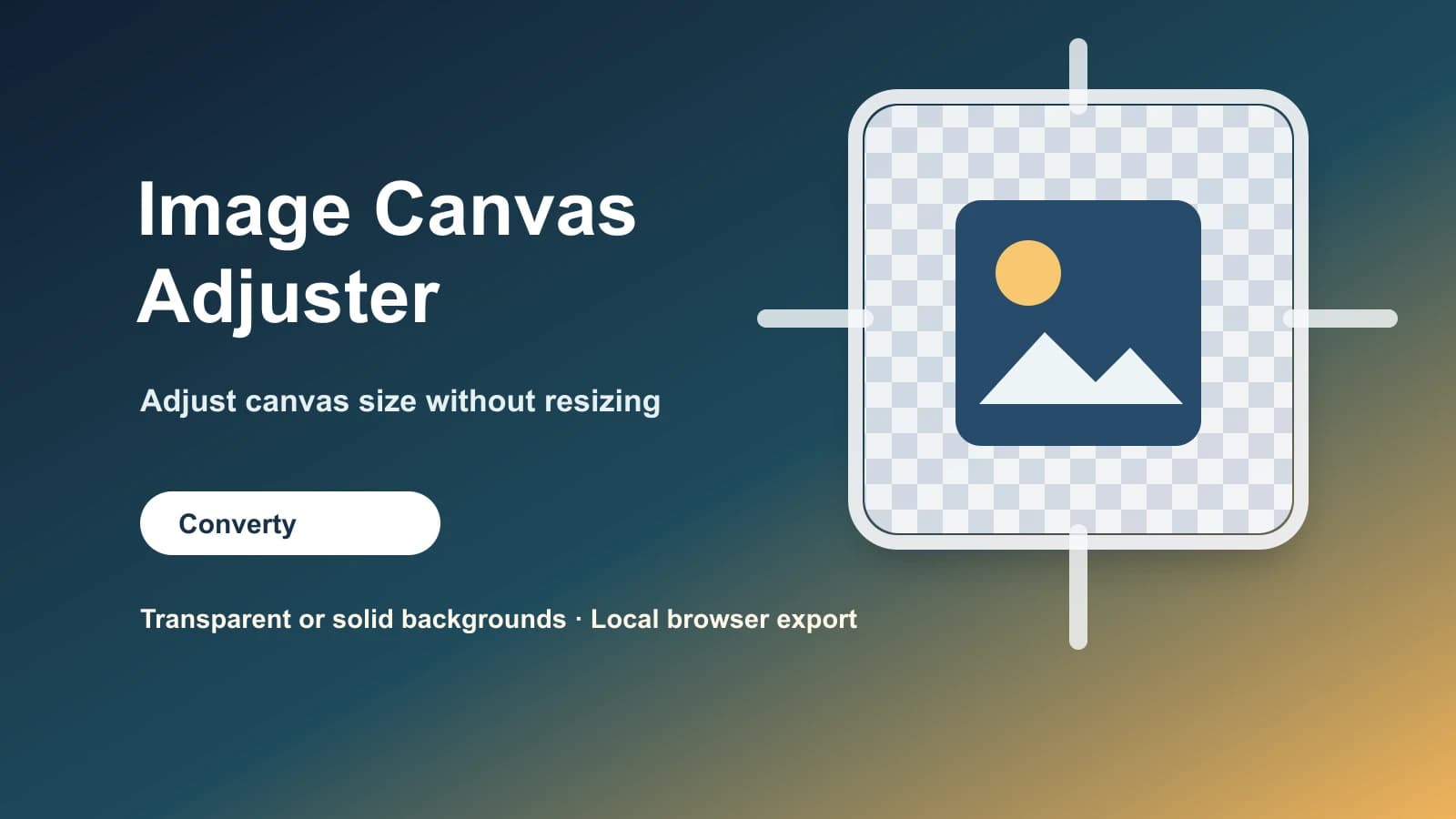
Change one image's canvas size without resizing the image itself. Set dimensions, extension direction, transparency, and download locally.
Color & CSS
Convert between hex, RGB, HSL, OKLCH, and OKLAB while checking contrast and exporting CSS-ready tokens.
Assets
Upload one square source image and generate a favicon package with app icons and a starter web manifest.
Data Formats
Validate CSV files and pasted rows with delimiter detection, header checks, issue lists, and parsed previews.
Text
Convert text to camelCase, snake_case, kebab-case, PascalCase, slugs, and common escaped forms.
Text
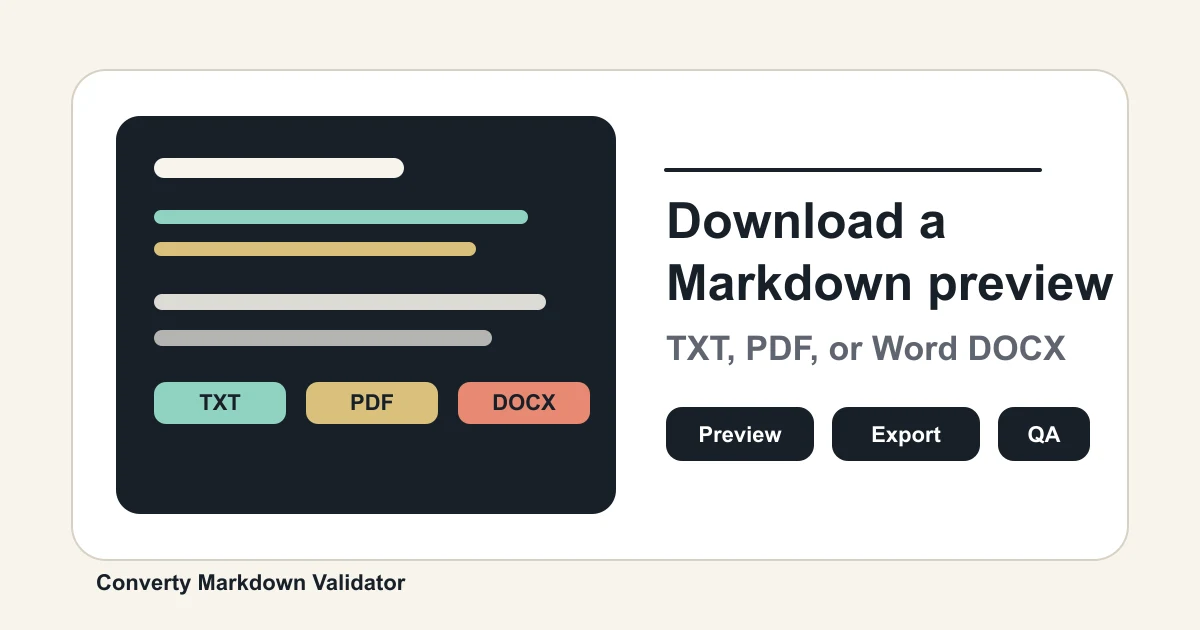
Validate Markdown structure, preview rendered output, and catch common authoring issues before publishing.
Text
Write and format text in a rich editor, then export the document as a PDF directly in your browser.
Practical guides and product updates.